
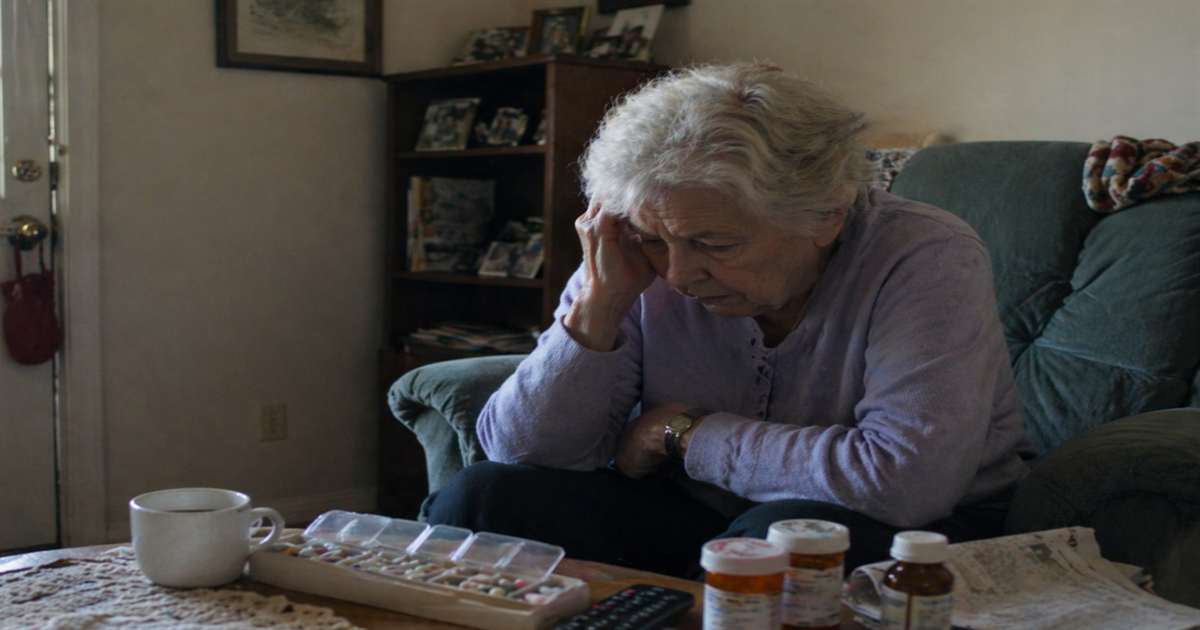


This is one of the hardest decisions families face. It is often accompanied by feelings of guilt, doubt, and sadness. You may find yourself constantly asking: "Is it time? Am I doing the right thing, or should we just try harder at home?"
If you are reading this, you are likely noticing a shift. The balance of being a loving son or daughter has shifted entirely into being a primary medical caregiver—and you are exhausted. It’s not about giving up. It’s about safety.
Here are the signs to look for.
7 Signs Your Loved One May Need Assisted Living
When you are deeply involved in a parent's daily life, gradual declines are easy to miss. It helps to look for objective markers of safety and health rather than subjective feelings.
1. Unexplained Weight Loss and Dietary Changes
One of the most immediate indicators of a decline in independent living skills is nutrition. Take a look in their refrigerator. Are there expired foods? Are they relying exclusively on frozen dinners or surviving on tea and toast? The physical energy required to stand at a stove, chop vegetables, and safely cook often becomes too much, leading to malnourishment that accelerates physical decline.
2. Medication Mismanagement
This is a critical safety red flag. As cognitive or visual impairments slowly set in, organizing daily pills becomes overwhelming.
Warning Sign: Look for full pill bottles that should be empty, pills dropped on the floor, or confusion about whether a dose was taken. Skipping blood pressure or heart medications can trigger sudden, severe medical emergencies.
3. A Decline in Personal Hygiene
A noticeable change in grooming habits—wearing the same clothes for several days, an unkempt appearance, or a reluctance to bathe—is a leading indicator of needing help with Activities of Daily Living (ADLs). Often, seniors avoid bathing because they are secretly terrified of slipping in the tub when no one is around to hear them call for help.
4. Increased Falls or Mobility Issues
Unexplained bruising, close calls, or actual falls are a sign that the home environment is no longer structurally safe. A home with stairs, narrow doorways, and throw rugs becomes an obstacle course for someone dealing with neuropathy, arthritis, or muscle weakness.
The Therapy Perspective
As physical therapists, we often tell families that you cannot outcare a physically unsafe environment. Waiting until a catastrophic fall breaks a hip often means a hospital stay, rehab, and an emergency placement rather than a thoughtful, planned transition. This is why our clinical-first approach focuses on mobility analysis from day one.
Proactive Fall Prevention
Assisted living environments are proactively designed to mitigate these risks—with grab bars, zero-entry showers, and 24-hour observation to intervene *before* a fall happens.
5. Growing Social Isolation
If they’re not leaving the house anymore, things start to decline fast. That kind of isolation speeds up decline. Living in a supportive community instantly provides a socially rich environment that cannot be replicated by a family caregiver visiting once a day.
6. Worsening of Chronic Conditions
When diseases like diabetes, COPD, or congestive heart failure progress, they require rigid management. If your parent's baseline health is constantly fluctuating, resulting in frequent visits to the emergency room or urgent care, 24-hour clinical oversight is required. If you're wondering what that clinical oversight actually looks like day-to-day, our FAQ covers the questions families ask before moving in.
7. Caregiver Burnout is Reaching a Breaking Point
This is the sign families ignore the most. Your health matters just as much as theirs. If you are losing sleep, missing work, neglecting your own family, and feeling constant anxiety every time the phone rings, you have reached the limit of home care. Moving a parent into assisted living allows you to stop functioning as a stressed nurse, and go back to being a loving child.
If you've reached this point, a conversation — even a short one — usually helps more than another night of research.
Quick Assessment Checklist
| Area of Concern | What to Look For |
|---|---|
| Safety | Bruising, burn marks on pans, night wandering. |
| Health | Stockpiled medication, spoiled food, unpaid bills. |
| Hygiene | Body odor, soiled clothing, untreated skin tears. |
| Strain | Resentment, anxiety, physical/mental exhaustion. |
The Small Home Advantage in Columbia, MD
When families finally realize it's time for assisted living, the next hurdle is the guilt of visualizing a large, clinical institution. It doesn't have to be that way.
Smaller, 8-bed residential care homes offer a completely different model. The environment remains genuinely residential. Residents sit together at a family dining table. The staff-to-resident ratio allows for deeply personalized, quiet, and attentive care.
If you are struggling with the leap from home to a facility, an 8-bed home often provides the ideal middle ground—offering the safety of clinical oversight with the warmth of a real home.
If your parent already needs help with mobility or frequent supervision, this guide explains what Level 3 care actually looks like.
If you're seeing multiple signs from this list, waiting usually makes things harder, not easier.
If you want a clear assessment of whether assisted living is the right step, talk to our team.