
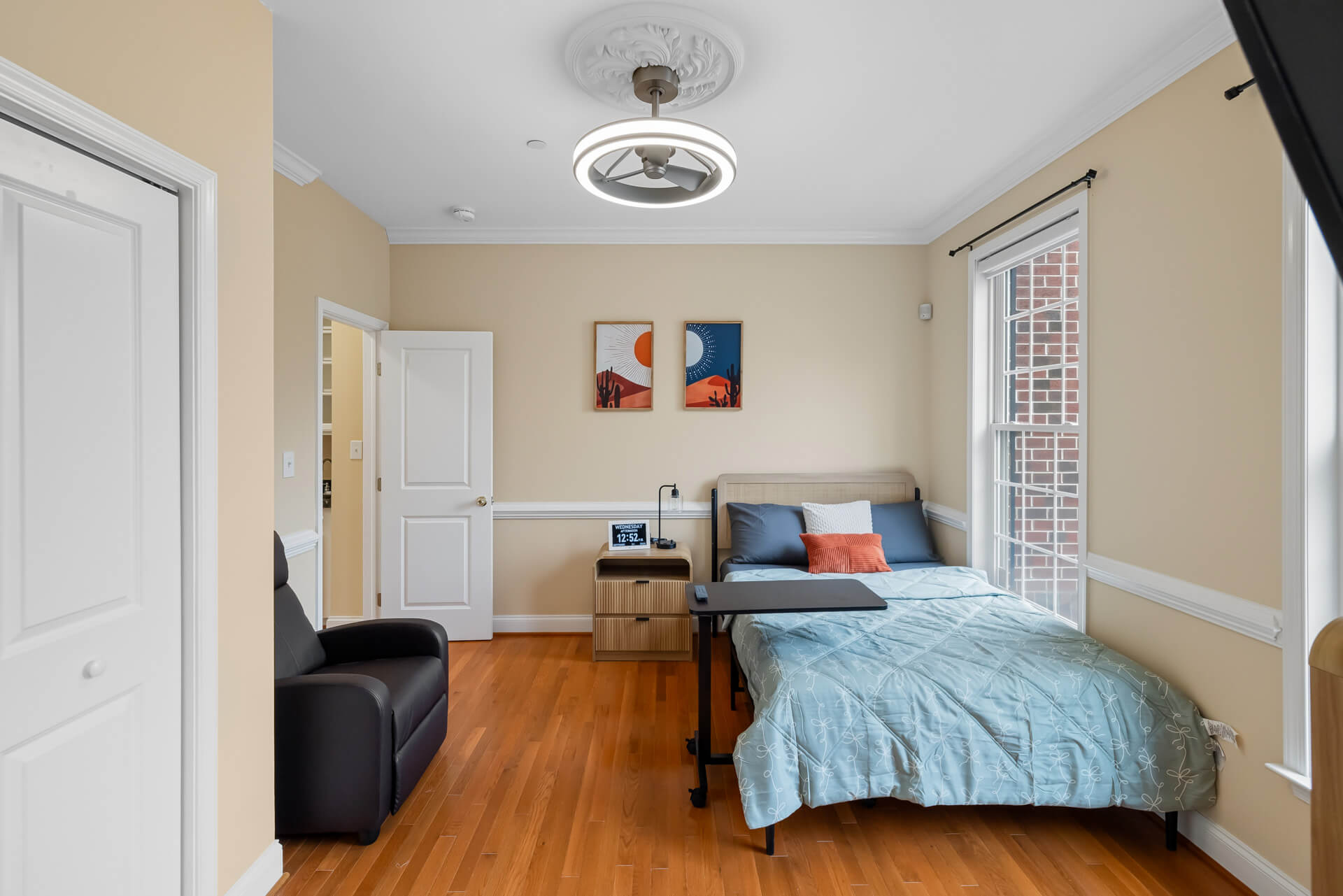


At 2:07 AM, your parent presses the call button. They need help getting to the bathroom. They cannot stand safely on their own. What happens next depends entirely on how that facility actually delivers “Level 3 care.”
The State Definition vs. Practical Reality
The Maryland Department of Health defines Level 3 as the highest tier of assisted living. Legally, a Level 3 license means a facility is authorized to care for individuals who require a "high" level of assistance with multiple Activities of Daily Living (ADLs)—such as bathing, feeding, dressing, toileting, and transferring.
But a Level 3 license is only a permit. It doesn't tell you how a facility actually executes that care when the spotlight is off. That gap in execution is where most families make the wrong decision—without realizing it.
The Wait-Time Dilemma
To understand this, you have to look at response time.
In a large corporate facility, your parent waits. Sometimes 2 minutes. Sometimes 10. A caregiver handling an entire wing of 15 to 20 residents might be stuck assisting another resident down the hall. A five-minute wait feels like an eternity for an elderly person with an urgent need.
And sometimes, they stop waiting—and try to stand on their own.
Families don’t see this during a daytime tour. They notice it later through falls, late-night calls, or a nagging feeling that something isn’t right. This is where Level 3 licensing often breaks down in large settings. True Level 3 care relies on proximity as much as clinical competence.
The Contrast of Response
Care at this level doesn’t follow a schedule. It is fundamentally unpredictable and cannot be strictly timed like a meal or a medication pass.
- In a large facility (100+ beds): Staff prioritize urgent calls. Response times fluctuate based on volume. The risk of an "independent" attempt increases with every minute of wait time.
- In our 8-bed residential home (1:3 ratio): Caregivers are located mere steps away. They don't just respond to a light; they are integrated into the resident's immediate environment.
The Hidden Threshold: When "Level 3" Results in Discharge
This is the operational truth most facilities will never say out loud: The involuntary discharge.
Many families move their parent into a facility on the promise of "aging in place," trusting the Level 3 license. Two years later, when the parent's mobility declines and they become a "two-person assist," they receive a discharge notice. This is one of the most common reasons families are forced into a second move.
This is not a small adjustment. It means another move, another transition, and starting over. Families receive this notice after they’ve already settled in, built routines, and believed this was their loved one’s long-term home. They are then told the resident's needs now "exceed the staff's physical capacity," effectively pushing them into a far more expensive Skilled Nursing Facility. Understanding exactly what you're committing to financially before that happens matters — our pricing page explains what's included in our all-inclusive rate, and you can explore our guide to assisted living costs in Maryland for more context.
The PT Advantage
Safe transfers are not about strength—they are about mechanics. Where a caregiver places their hands, how they shift weight, and how they stabilize the hips determines whether a transfer is safe—or dangerous.
Clinical Authority
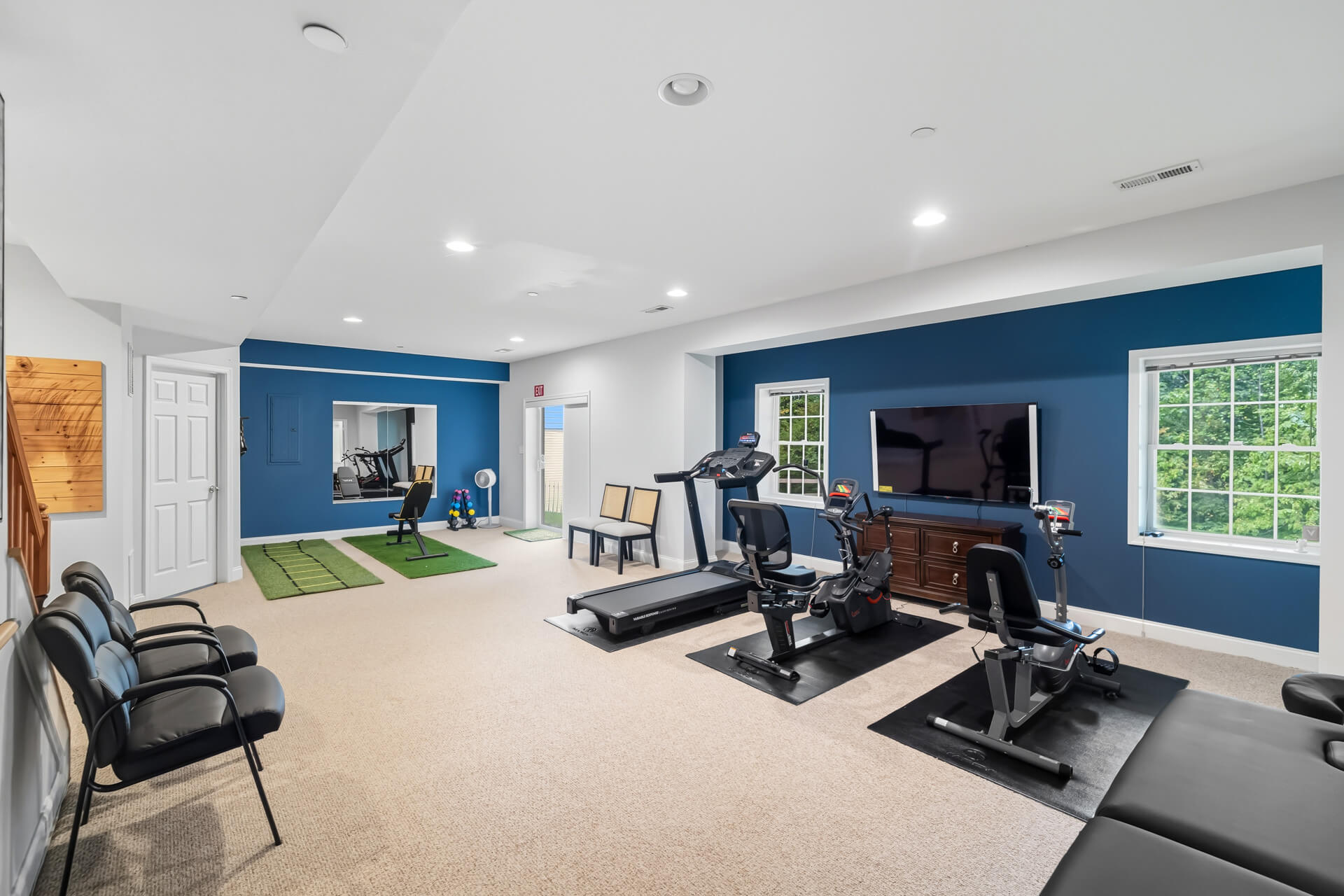
As a Doctor of Physical Therapy, I train our caregivers on the exact physics of movement. We don't shy away from complex mobility deficits because we know—at a granular level—how to manage them safely. This [clinical advantage](/blog/physical-therapist-owned-care-home-advantage) is the foundation of our safety record.
Early Recognition vs. Reactive Management
Level 3 care also covers residents with significant cognitive impairment. In massive settings, behavioral changes like sundowning are often managed reactively, sometimes resulting in medication changes or medical escalation.
In a smaller, 1:3 setting, behavioral patterns are recognized early—before agitation escalates into wandering or refusal of care. We notice when a resident’s breathing pattern shifts or how they prefer their environment as night approaches. Proactive recognition, as detailed in our guide to managing sundowning, prevents behavioral crises before they start.
Who This Matters Most For
If you are currently evaluating Howard County facilities, this depth of care is critical if your loved one:
- Has a history of frequent falls or "unsteady" gait.
- Requires help standing from a chair or getting out of bed (transfers).
- Is living with advancing dementia or Alzheimer’s.
- Has been told by another facility that they may soon require "skilled nursing."
Asking the Right Questions
Real oversight requires asking the questions administrators aren't prepared to answer with a brochure:
- "What is your exact staff-to-resident ratio for the overnight shift?"
- "If my parent requires two people to help them stand, will they be discharged?"
- "Who is responsible for training the direct caregivers on physical transfer techniques—and how often are they evaluated?"
Our FAQ page addresses these questions directly, based on what families ask us most.
A Level 3 license is a permit to provide care, not a promise of how that care is delivered. It’s a difference you usually can’t see during a tour; you only see it when something goes wrong. The difference in that delivery is where your parent's safety—and your peace of mind—actually lives.
See How It Works
If you're evaluating Level 3 care, don’t rely on a brochure. See how care actually works inside a real home during a tour of our Columbia location.