


The assisted living industry is largely driven by real estate developers and corporate hospitality administrators. While they may hire capable medical directors, the foundational philosophy is often a hotel-first approach. At Columbia Care Home, care is built on a fundamentally different premise: the founders are Doctors of Physical Therapy (DPT).
The Administrator vs. The Clinician
When a corporate administrator looks at a senior, they often see a resident to be managed via room assignments and meal schedules.
When a physical therapist looks at a senior, they perform a continuous clinical assessment.
Leadership Perspective Comparison
| Focus Area | Corporate Admin | DPT Leadership |
|---|---|---|
| Oversight | Administrative Logistics | Mobility Analysis |
| Fall Prev | Reactive Reports | Proactive Correction |
| Training | Compliance Videos | Clinical Coaching |
| Health | Service Continuity | Function-First |
What "DPT-Owned" Actually Means for Your Loved One
Operating a Level 3 Assisted Living Facility as physical therapists rewrites the daily experience of aging. It shifts the focus from supervising decline to preserving function.
1. The Clinical Eye for Daily Care
Every interaction at our home at 10610 Hickory Point Lane is a data point. Our caregivers are trained directly by the founders to notice the smallest deviations in balance, posture, or cognitive clarity. By identifying micro-declines early, we can often intervene before a catastrophic medical event occurs.
2. Proactive Fall Prevention
Falls are the leading cause of injury among older adults. We don't wait for a fall to happen to implement changes. Our environment is engineered to remove barriers, and our transition plans include a comprehensive mobility assessment designed to help residents maintain their independence for as long as possible.
3. Mobility-Driven Memory Care
For residents living with dementia, agitation and sundowning are often exacerbated by unspent physical energy. By implementing daytime mobility routines and supervised physical engagement, we help manage anxiety naturally, promoting more restful sleep cycles without over-reliance on sedation.
The Recovery Loop
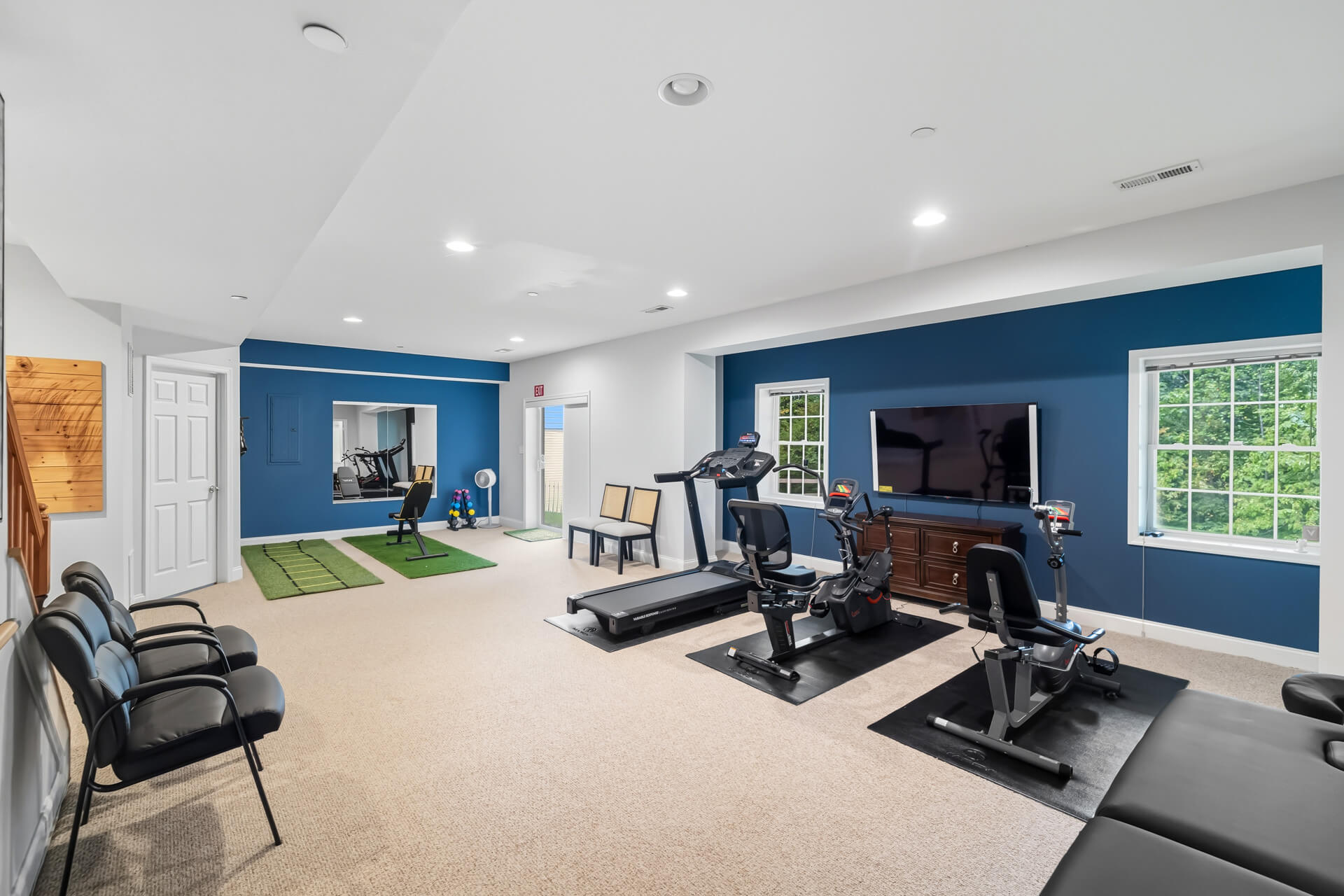
In many facilities, therapy is an outside service that happens for an hour a few times a week. At Columbia Care Home, therapeutic principles are embedded into the very rhythm of the day—from how a resident rises in the morning to how they engage in communal life.
Clinical Credentials
Every caregiver at Columbia Care Home is trained directly by our Doctor of Physical Therapy founders in advanced transfer and mobility techniques.
Bridging the Gap: From Rehab to Resident Life
Many of our residents come to us after a hospital stay or a stint in a rehabilitation center. The clinical oversight of our facility prevents the "post-rehab slide" where seniors lose the progress they made in therapy once they return to a standard assisted living environment. For families navigating this transition, our guide to moving a parent to assisted living in Columbia covers what to expect in those first 30 to 90 days.
We provide the continuity that preserves their hard-won mobility.
Families frequently ask us how clinical oversight differs from standard assisted living — we've answered the most common questions here. For families also weighing the financial side of clinical-grade care, our pricing page explains the all-inclusive structure.
Speak with Our Clinical Founders
We’re happy to answer questions — even if you’re still exploring options. Discuss your loved one's specific mobility and care needs directly with a Doctor of Physical Therapy. Learn how our clinical-first approach produces better daily outcomes.